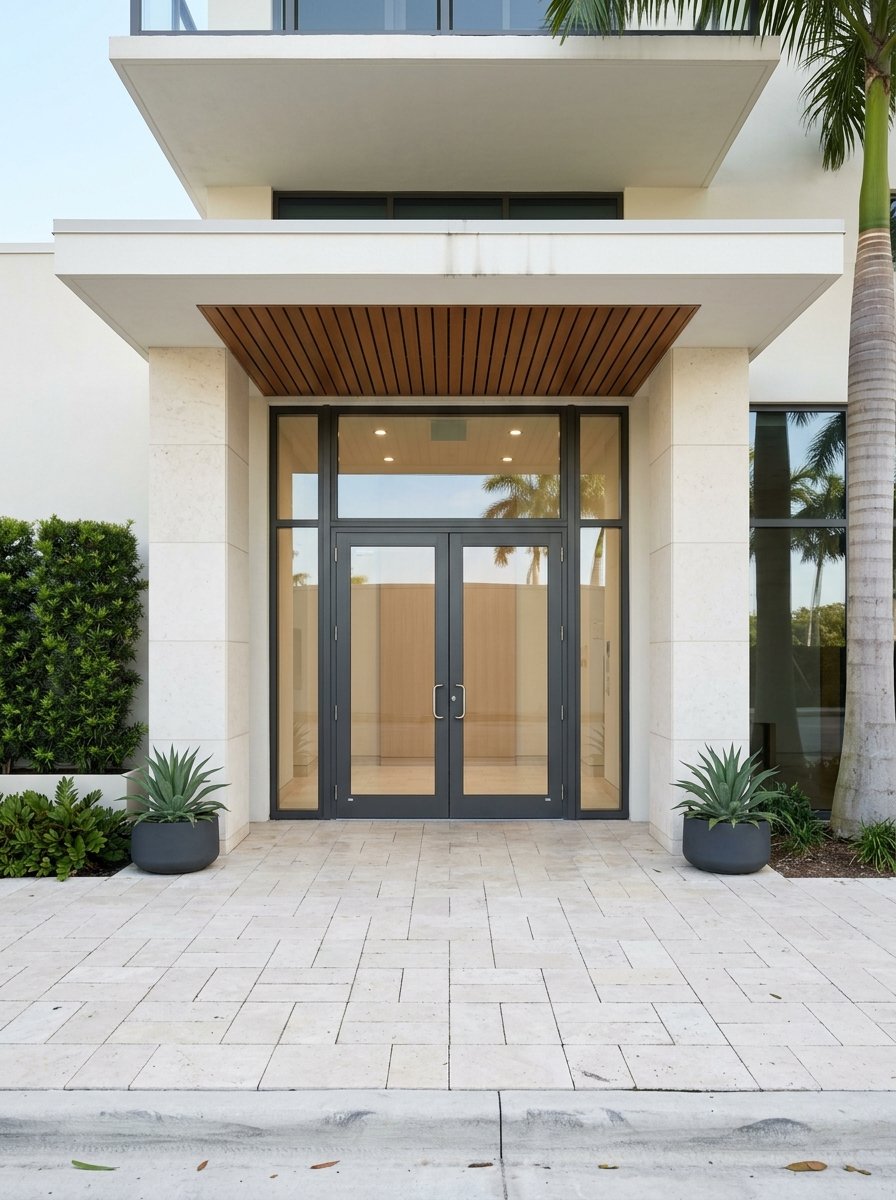
Timing Your Downtown Sarasota Condo Sale
May 14, 2026
May 14, 2026
If you are thinking about selling a downtown Sarasota condo, timing can shape everything from showing traffic to your final price. In 34236, buyers are active, but they are also cautious, comparison-driven, and focused on details that can affect financing and future costs. The good news is that a smart launch plan can help you stand out, reduce friction, and attract stronger offers. Let’s dive in.
Downtown Sarasota is not moving like a fast seller’s market right now. Recent market snapshots show median days on market ranging from about 77 to 109 days, with sale-to-list ratios around 94%. That tells you buyers are taking their time and negotiating.
Pricing is also highly unit-specific. Some data show prices up year over year in Downtown Sarasota, while broader 34236 data show values down. The safest takeaway is simple: your building, floor plan, condition, view, fees, and documentation matter more than broad headlines.
County condo and townhome numbers tell a similar story. Early 2026 data showed more than eight months of supply, time to contract around 66 days, and time to sale around 110 days. In a market like this, timing helps, but pricing and preparation still do most of the heavy lifting.
If your goal is to reach the largest pool of serious downtown condo buyers, the strongest listing window is usually late fall through early spring. Sarasota County’s seasonal population rises in winter, and the area sees an influx of snowbirds from about mid-November through late February. More seasonal residents often means more in-person traffic, more tours, and more urgency among second-home and retirement buyers.
Spring can also be productive. March 2026 county condo and townhome data showed sales up 40.4% year over year, median price growth of 3.8%, and lower inventory than earlier in the year. That points to a clearer spring market, even though buyers remained selective.
For many downtown condo sellers, listing before or during snowbird season gives you a head start. You can meet buyers while seasonal demand is building, and your listing has more time to gain traction before the busiest part of spring competition.
That said, waiting for spring can still work if your condo needs updates, association documents, staging, or marketing prep. In this market, a polished launch often matters more than rushing online a few weeks early. The best answer is not just when buyers arrive, but when your condo is truly ready.
A good calendar window helps, but downtown condo buyers are doing more homework than they did in a faster market. Sarasota Magazine’s March 2026 reporting noted that buyers are focused on due diligence and favor move-in ready units. If your condo feels dated or unresolved, timing will not fully offset that.
This is especially important because more supply is in the pipeline downtown. Sarasota Magazine reported nine projects rising or proposed downtown, adding hundreds of condo units. New competition raises the bar for resale sellers, particularly if your condo is competing on lifestyle, design, or convenience rather than pure scarcity.
That is why sellers today need a complete plan, not just a target month. You want the right launch window, but also the right price, presentation, and paperwork.
The newer luxury product pipeline downtown appears to skew larger, with more emphasis on two- and three-bedroom layouts, corner residences, privacy, and flexible space. That can make some smaller one-bedroom resale units feel more niche by comparison. If you own a one-bedroom, timing matters, but pricing precision matters even more.
For a smaller condo, consider listing when seasonal traffic is strongest so you can maximize exposure to second-home buyers and downsizers looking for convenience and low-maintenance living. You may also need stronger staging and photography to help buyers visualize function and comfort in a smaller footprint.
If your condo offers a corner location, better views, more parking, or flexible guest and office space, you may have more room to benefit from patient timing. These features line up with what many upper-end downtown buyers appear to prefer in newer inventory. A well-prepared larger unit may attract buyers throughout the season, not just at one narrow moment.
Still, even premium condos are not immune to longer decision cycles. Buyers at this price point tend to compare buildings carefully, review association health, and negotiate with discipline. That means your timing strategy should support a clean, confidence-building presentation.
In Florida’s current condo environment, association transparency can directly affect buyer interest and financing. Before your condo goes live, gather the documents that help buyers and lenders understand the building’s condition and financial picture.
A strong prep package may include:
Having these items ready does two things. First, it gives buyers confidence that your sale will not be slowed by surprises. Second, it helps your agent answer building-level questions quickly, which is especially important in a negotiation-heavy market.
Florida requires certain condo and co-op buildings to complete milestone inspections at 30 years of age, or 25 years in some coastal areas, and then every 10 years after that. Phase 1 is a visual inspection. If substantial deterioration is found, Phase 2 may include more invasive testing, and repairs generally must begin within 365 days of the report.
For you as a seller, this matters because buyers will want clarity. If your building has completed inspections and communicated the results clearly, that can reduce uncertainty. If inspections are pending or repairs are expected, buyers may factor that risk into their offer price or timeline.
Florida’s Structural Integrity Reserve Study rules apply to many residential condominium associations with buildings that are three or more habitable stories high. For many associations, these studies were required by the end of 2025, with some timing overlap allowed if milestone inspections are due by the end of 2026. Also, if a budget was adopted on or after January 1, 2025, reserves may not be waived.
From a resale standpoint, reserve funding can influence affordability and confidence. Buyers are paying close attention to monthly fees, future assessments, and whether the building appears financially prepared. In a market where rates remain elevated and monthly payment sensitivity is real, unclear reserve planning can reduce demand.
Not every downtown condo sale is cash, even though cash plays a major role in Sarasota County. Early 2026 county data showed cash making up a large share of condo and townhome sales, ranging from roughly 65.5% to 68.9%. That still leaves a meaningful share of buyers who may need financing.
Lender and loan standards can limit who can buy in a given building. Issues such as critical repairs, inadequate insurance, pending litigation, or certain hotel-style characteristics may affect project eligibility. If financing options narrow, your buyer pool may shrink, and that can affect both price and time on market.
If you want to hit the late fall or winter window, begin several weeks or even a few months earlier. This gives you time to gather association records, review building updates, handle light repairs, and prepare the condo for photography and showings. A calm prep period usually produces a stronger launch.
Michael Ballantyne’s boutique listing approach is especially helpful here because presentation is often the difference between sitting and selling in a slower condo market. Staging, professional photography, design guidance, and transaction coordination can reduce stress while helping your condo compete more effectively.
In 34236, buyers are not rewarding aspirational pricing the way they might in a tight seller’s market. With sale-to-list ratios around 94% and lengthy market times, overpricing can cost you the strongest early attention. The first few weeks matter because that is when serious buyers and agents are most likely to evaluate a new listing closely.
A smart strategy is to price from current building-level reality, not from outdated peak expectations. If your condo has stronger views, better updates, or cleaner association documents than competing units, those advantages can support value. But they still need to be framed within today’s buyer behavior.
Because buyers are prioritizing due diligence and condition, every unfinished item can become a negotiation point. Fresh paint, lighting improvements, minor repairs, and simplified décor can all help a condo feel more turnkey. That is often more valuable than expensive remodeling right before sale.
If your unit is dated, you do not always need a full renovation. You do need a plan to present it honestly and attractively, with pricing that reflects what buyers will likely notice. In this market, clear expectations tend to outperform wishful ones.
If you are aiming for a strong seasonal window, this simple framework can help:
| Timeline | What to Do |
|---|---|
| 8 to 12 weeks before listing | Gather HOA documents, review inspections and reserves, discuss pricing strategy |
| 4 to 8 weeks before listing | Complete minor repairs, staging plan, decluttering, design updates |
| 2 to 4 weeks before listing | Professional photography, final disclosures, launch prep |
| Listing period | Monitor showing feedback, buyer questions, and pricing response quickly |
This kind of structure helps you avoid a rushed launch. It also gives you a better chance of entering the market with confidence instead of reacting after the listing is already live.
If you are wondering whether to sell now, before season, or after spring, the answer usually comes down to your building, your floor plan, your condo’s condition, and how prepared you are to meet today’s buyer expectations. In downtown Sarasota, the best timing is rarely just about the calendar. It is about launching when your condo can compete at its best.
If you want a clear, building-specific strategy for your downtown Sarasota condo, connect with Michael Ballantyne for thoughtful pricing guidance, hands-on preparation, and a smooth plan from listing to closing.
Stay up to date on the latest real estate trends.
It's that appreciation for classically high standards that make me an ideal real estate professional to help you with your home sale or purchase in Sarasota and surrounding areas. I can help you with all your real estate needs, you get A Classic Approach with winning results. Call me today!