Is Sarasota Condo Corridor Lifestyle Right for Car-Free Living?
March 24, 2026
March 24, 2026
What if your next Sarasota condo let you leave your keys on the counter most days? If you love the idea of walking to coffee, hopping a trolley to the beach, and catching a show without hunting for parking, you’re in the right place. Living car-free in Sarasota’s “Condo Corridor” can work if you know which blocks fit your routine and how to plug into local transit, parks, and services. In this guide, you’ll learn how life flows without a car in 34236, what to test before you buy, and the building features that make a low‑car lifestyle easy. Let’s dive in.
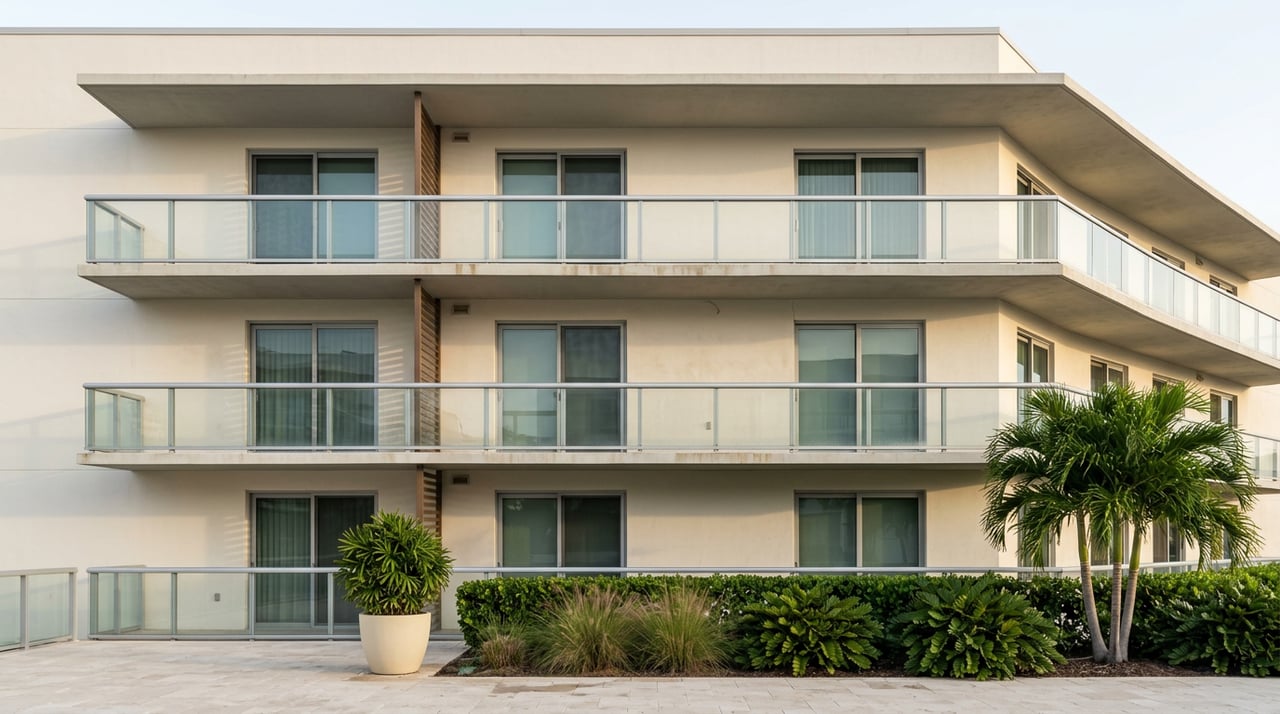
The “Condo Corridor” is a local descriptor for downtown Sarasota’s bayfront and near‑bay clusters of high- and mid-rise condos. Think addresses around N. Gulfstream Ave, Quay Commons, Golden Gate Point, and the streets near Bayfront Park and Main Street. It is a marketing label, not a city boundary, so you should always verify a building’s exact location and daily walk routes. For a local overview of downtown living patterns, explore our downtown Sarasota guide.
Walkability here is address‑specific. Central downtown blocks and the Rosemary District often show very high Walk Score values, while the broader ZIP average for 34236 is lower. Your takeaway is simple: test the exact routes you plan to use. Check how long it takes to reach your grocer, pharmacy, transit stop, and favorite spots at the times you’d actually travel. A snapshot from Walk Score’s downtown coordinates shows how “Walker’s Paradise” scores concentrate near the core.
Main Street and nearby Palm Avenue form a compact grid of cafes, restaurants, bars, and shops. Many residents stitch together breakfast, mid‑day errands, and dinner within a few blocks. A standout weekly amenity is the year‑round Sarasota Farmers Market on N. Lemon Ave every Saturday from 7 am to 1 pm. It’s an easy way to stock produce and specialty items without a car. For larger supermarket runs, expect a short bus ride or rideshare.
Downtown’s culture scene is right at your feet. You can catch live performances at the Van Wezel Performing Arts Hall and local theatre at Florida Studio Theatre on North Palm Avenue. On the waterfront, Bayfront Park offers a compact green space with a playground and splash pad. Just north, the city and conservancy are creating The Bay, a 53‑acre bayfront park and event hub. Check current park features and programming on The Bay’s visit page. These spaces give you daily fresh-air options within a short walk from many condo towers.
Sarasota County Area Transit (SCAT) runs multiple routes through downtown that connect to neighborhoods, shopping, and the airport. SCAT reported about 2.08 million unlinked passenger trips in 2022, which signals established coverage and a functioning transfer hub downtown. Review route maps and timings for your exact address and usual travel hours in SCAT’s latest materials, and note the regional profile in the federal transit report.
For beach days and island dining, look at the free Breeze trolley services. The 77 Siesta Islander and the Bay Runner route link downtown to Siesta Key and to St. Armands and Lido Key with frequent, open‑air rides. These services expanded to include downtown connections in late 2024 and are designed to reduce car trips to the beaches. You can learn more from this overview of the 77 Siesta Islander, then check current schedules the week you plan to ride.
Short bike trips work well for many residents, especially on downtown connectors and waterfront-side streets. The Legacy Trail ties into downtown trailheads and links the region. Comfort depends on your route, so plan rides that use calmer streets, greenways, and marked bike paths where possible. Test any arterial crossings you’d use during your normal times of day.
Uber and Lyft operate throughout downtown and the barrier islands. Many residents rely on rideshare for late-night returns, airport trips, or bigger grocery hauls. Expect wait times and pricing to move with season and event nights, so build in a little buffer for peak periods.
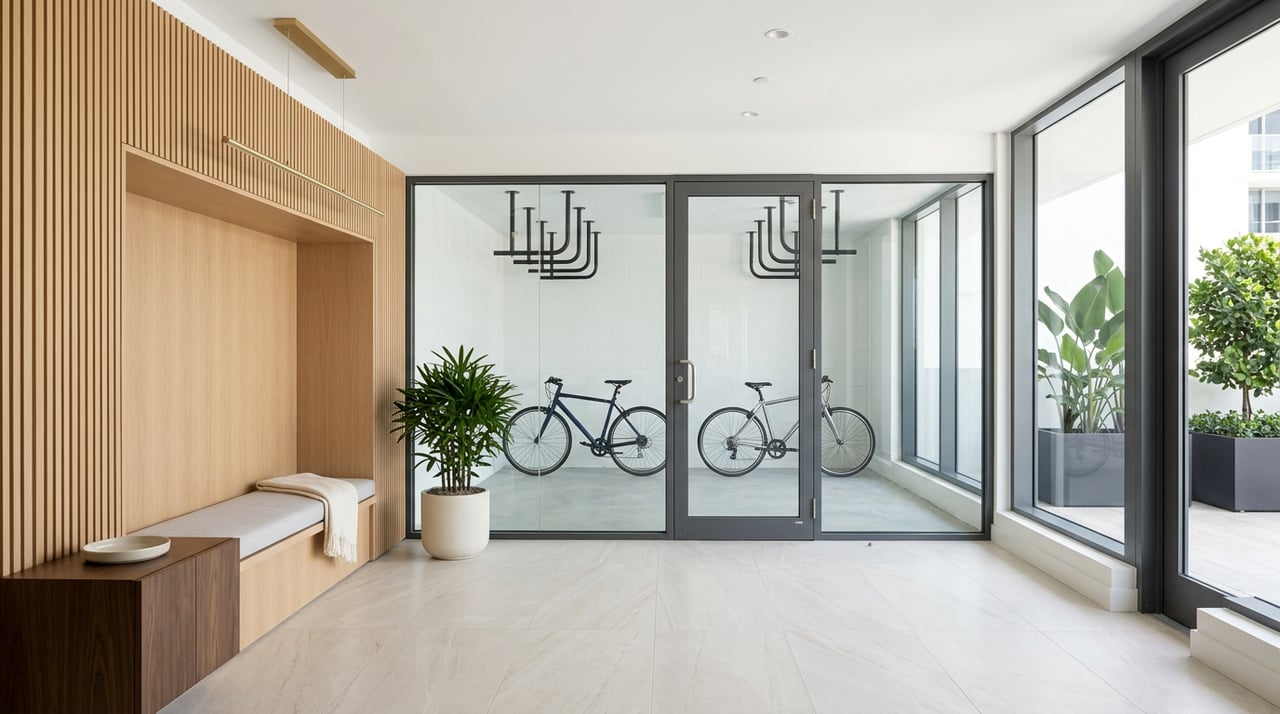
Condo features can make or break a low‑car lifestyle. Favor buildings with:
These details are often in the HOA bylaws and building rules. Review them early, and confirm any fine print about owner‑occupancy, leasing terms, and guest access before you fall in love with a floor plan.
If you plan to rent your unit when you are away, verify city registration and inspections as well as the condo’s own leasing policy. The City of Sarasota updated vacation‑rental rules in 2024 under Ordinance 24‑5506. Many zones require registration, inspections, and minimum stays, and some associations set even stricter timelines. Read the city’s guidance on vacation‑rental requirements and confirm your building’s rules before advertising any short stays.
Waterfront and near‑bay addresses often sit in FEMA flood zones. The City’s updated Flood Insurance Rate Maps took effect on March 27, 2024. Before you buy, obtain the property’s FIRM panel and an elevation certificate if the building is in a Special Flood Hazard Area, and ask what the master policy covers for wind and hurricane events. Start with the city’s flood map and information page to locate the right panel and next steps.
Hurricane season runs June 1 to November 30. You should confirm the building’s emergency procedures, shutter or glazing standards, and how management communicates during storms. If you are considering an island address, review evacuation routes and plan rideshare or neighbor support in case transit service is paused.
Pedestrian safety varies by route and time of day. National reviews have flagged the North Port–Sarasota–Bradenton metro for elevated pedestrian fatality rates compared to many U.S. metros. That does not erase the high walkability inside the downtown core, but it reinforces a key step: test your exact walking paths for sidewalks, marked crossings, lighting, and night visibility. For broader context, see Smart Growth America’s Dangerous by Design report.
Sarasota Memorial and local urgent-care options are reachable from downtown. If medical access is a priority, time your route to the nearest urgent care and to the hospital from the condo you are considering, including evening or weekend travel conditions.
For many downtown addresses, yes, if you plan a few services and stay flexible. Blend walking for daily routines, the Breeze trolley for beaches, SCAT for scheduled errands, and rideshare for late nights or off‑hours. The key is to test your exact building’s routes and the frequency of the services you need.
Choosing the right building makes all the difference. With a boutique, hands‑on approach and deep knowledge of Sarasota’s downtown micro‑markets, I’ll help you identify the addresses that match your daily routes, review HOA details, and weigh the practical tradeoffs of car‑light living. If you are exploring a lock‑and‑leave pied‑à‑terre or a full‑time downtown move, let’s talk about what fits your lifestyle and budget. Connect with Michael Ballantyne to schedule your Free Market Consultation.
Stay up to date on the latest real estate trends.
It's that appreciation for classically high standards that make me an ideal real estate professional to help you with your home sale or purchase in Sarasota and surrounding areas. I can help you with all your real estate needs, you get A Classic Approach with winning results. Call me today!