Understanding Sarasota Jumbo Loan Requirements in 2024
December 4, 2025
December 4, 2025
Shopping in Osprey or Sarasota County and seeing prices that push past standard mortgage limits? You’re not alone. In our coastal market, luxury homes and condos often require financing that works a little differently. If you’re weighing a jumbo loan, this guide breaks down what it means, what lenders expect, and how to prepare so you can move with confidence. Let’s dive in.
A jumbo mortgage is any loan amount above the conforming loan limit set by the FHFA for Fannie Mae and Freddie Mac. For 2024, the baseline conforming limit is $766,550 for a single-unit primary residence. Any loan over that amount is considered jumbo and is underwritten outside standard agency parameters.
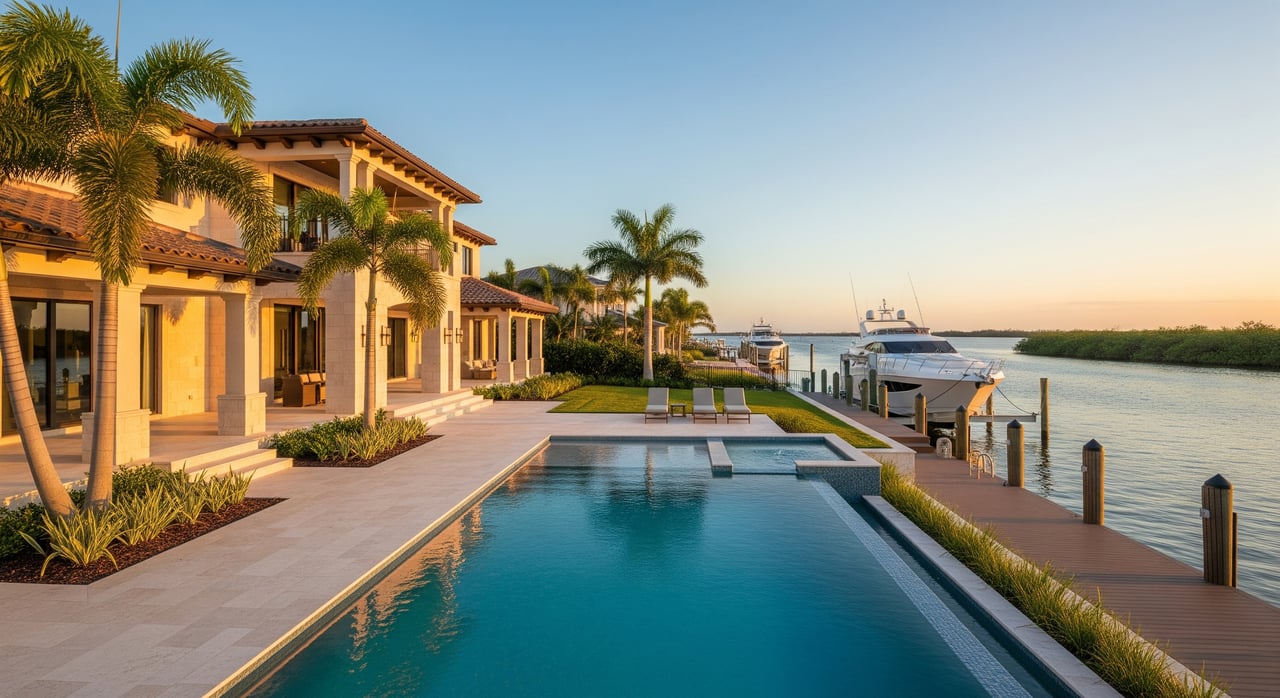
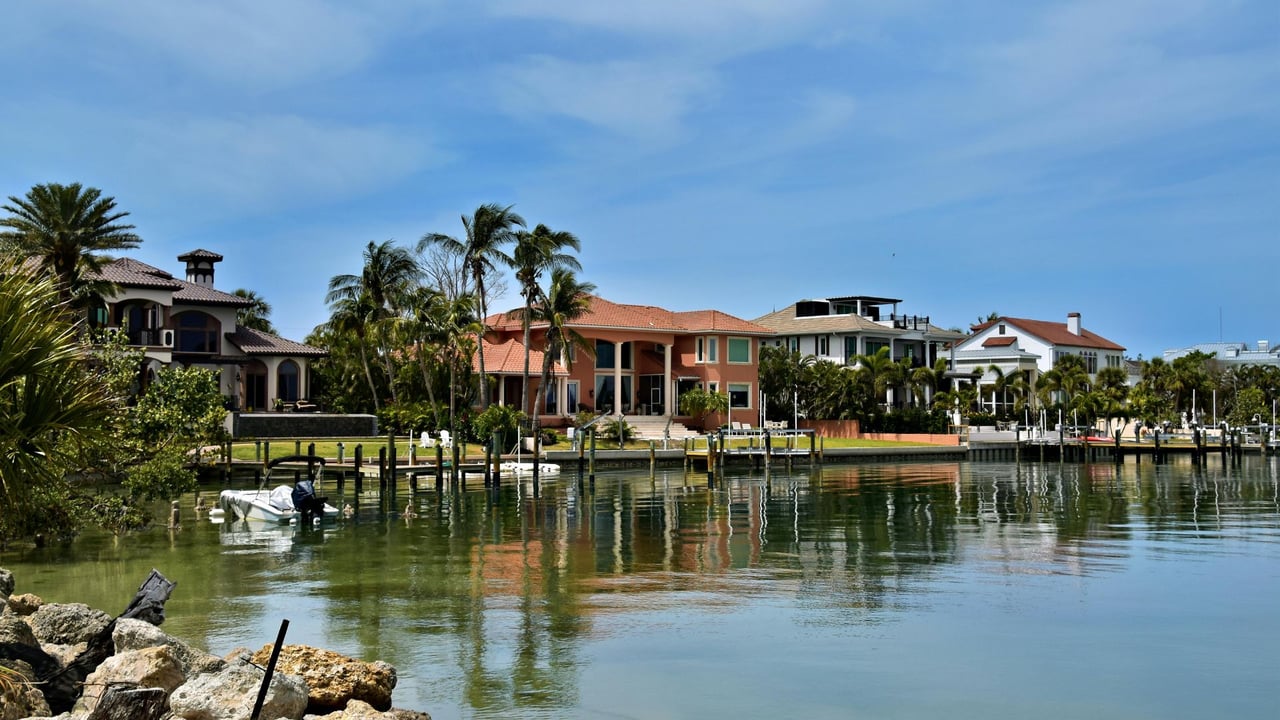
In Osprey and greater Sarasota County, higher-priced single-family homes and coastal condos make jumbo financing common. Even if the overall median price is below the limit, buyers competing for waterfront, new construction, or larger homes often cross into jumbo territory.
Luxury neighborhoods, waterfront homes, and unique properties tend to price above conforming limits. Seasonal demand and second-home interest can also create competitive situations where you lean on jumbo financing to win. Appraisals for distinctive properties may require extra care, so plan your timeline with that in mind.
Banks and credit unions may keep these loans on their books. Pros: flexibility for unique properties or income profiles. Cons: pricing and guidelines vary by lender.
Very large loans, often starting around $1–2 million. Expect stricter requirements, higher rates, and larger down payments.
For self-employed buyers or retirees, bank-statement or asset-depletion programs can help. These usually come with higher rates and bigger reserve requirements.
Some buyers pair a first mortgage below the limit with a second loan to stay in conforming territory. This can improve pricing but adds complexity and lender scrutiny.
Most lenders want strong credit. Common minimums range from about 700 to 760 for top-tier pricing. Typical loan-to-value caps are around 80 percent for best terms. Some lenders may permit up to 90 percent with strong compensating factors, though pricing may be higher. Second homes often require larger down payments.
Common acceptable DTI ranges are roughly 43 to 50 percent, depending on your overall profile, reserves, and program type. Stronger files can sometimes stretch higher.
Reserves are a big deal with jumbos. For primary homes, plan for at least several months of PITI, and often more. For second homes, 6 to 12 months is common. Investment properties or buyers with multiple financed properties may need 12 months or more.
Full documentation is standard: W-2s, two years of tax returns, 60 to 120 days of bank statements, and statements for assets. Self-employed buyers typically provide two years of personal and business returns, plus profit-and-loss statements. Lenders verify employment, assets, and tax transcripts.
Higher-value or unique properties may need more extensive appraisal support. Coastal homes and condos sometimes require extra comparable sales or even a second opinion, which can affect timing.
Condo loans often include a project review. Lenders look at HOA reserves, insurance coverage, owner-occupancy, and any litigation. High-rise or coastal buildings can face stricter overlays tied to hurricane risk, insurance, and reserve funding. Ask for HOA budgets, financials, and insurance details early to avoid delays.
Second homes typically require larger down payments, higher reserve amounts, and clear documentation of intended owner use. Terms are usually not as favorable as for primary residences, but stronger profiles can help.
Jumbo rates don’t always sit above conforming rates. The spread changes with market conditions, investor appetite, and your profile. Your credit score, down payment, loan size, and program type all influence pricing.
Small rate moves can change your purchasing power. For example, on a 30-year fixed:
A 1 percent rate change can reduce buying power by about 8 to 10 percent. Use a lender’s calculator for precise numbers.
Plan for 30 to 45 days from contract to close in straightforward situations. If you have a condo project review, complex income, or unique appraisal needs, 45 to 60 days is common. A complete pre-approval helps your offer land and keeps the timeline on track.
Jumbo financing is common here, and with the right preparation you can secure competitive terms. Focus on strong documentation, adequate reserves, and early condo or appraisal review where needed. A complete pre-approval and a realistic timeline will help you compete and close smoothly.
If you’re weighing options for an Osprey home or Sarasota County condo, let’s talk through your goals, loan strategy, and timeline. Reach out to Michael Ballantyne to get started.
Stay up to date on the latest real estate trends.
It's that appreciation for classically high standards that make me an ideal real estate professional to help you with your home sale or purchase in Sarasota and surrounding areas. I can help you with all your real estate needs, you get A Classic Approach with winning results. Call me today!